
Mike Morrison
Psychologist, Designer
Creator of the #betterposter movement with a background in web development and psychology, and a passion for improving science communication.
User experience design is often used in industry to reduce friction and improve business outcomes.
In science, the stakes are different. Better tools can mean faster discoveries, treatments for diseases that don't have one yet, and less suffering for the people waiting on an answer.
We want to bring UX principles to scientific tools and systems, helping scientists explore, communicate, and advance knowledge with less friction. But lasting change can't come from one designer. Science needs more people who understand UX and can improve the tools within their own fields.
That's what ScienceUX is here to build: a community of scientists and designers working together to make science work better.
2019
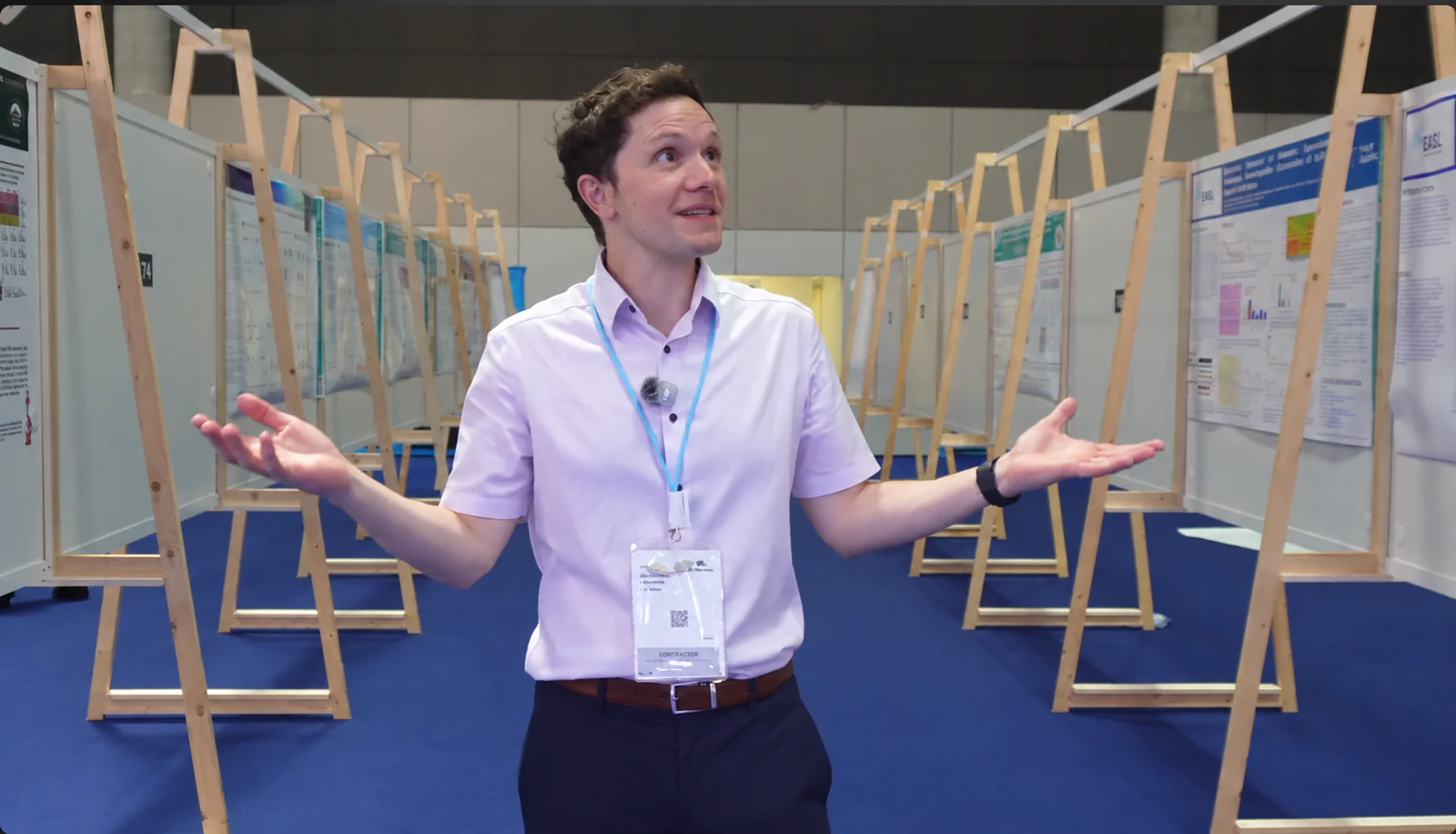
After leaving tech for a PhD, Mike expected scientists to have the best tools available. Instead, he found scientists spending hours fighting outdated systems and clunky workflows.
At first, he thought, “not my problem.” But a health scare during grad school changed his perspective. He decided to do something about it.
2021
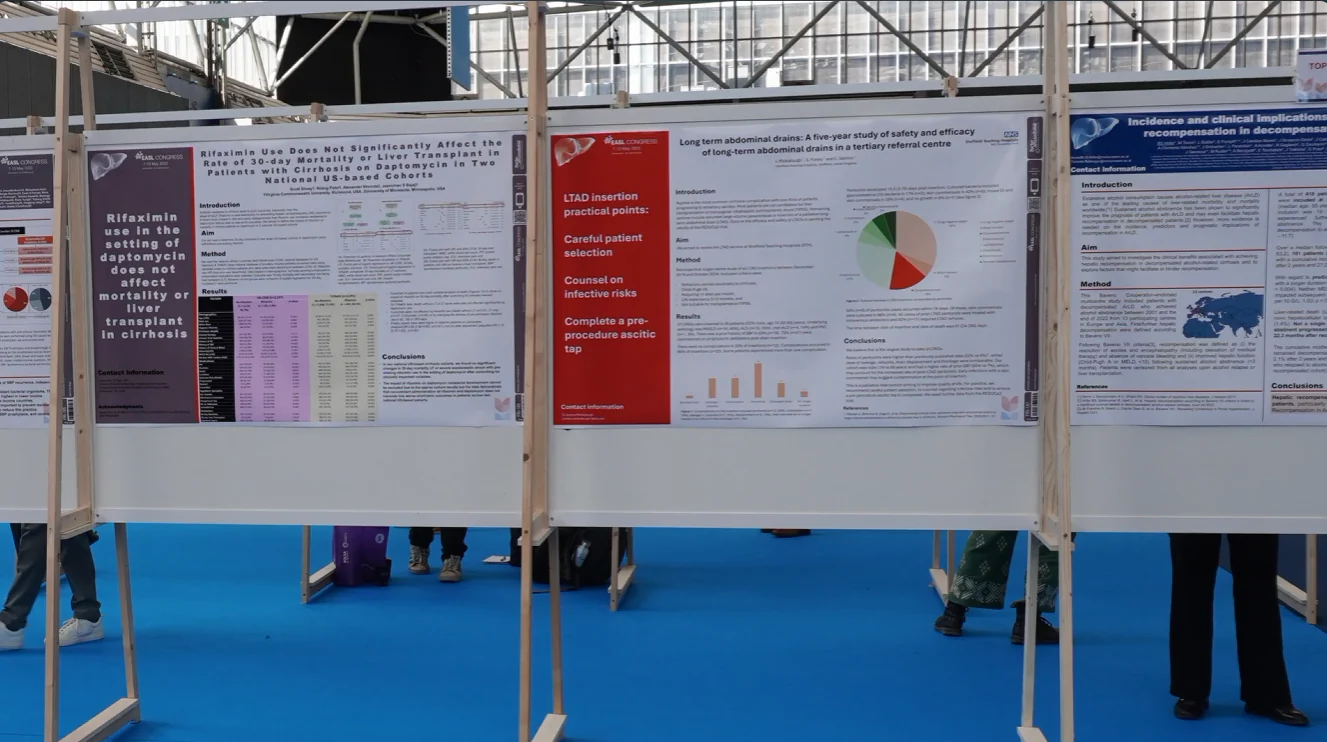
Mike started with the scientific poster. The redesign went viral and began changing how scientists communicate their work.
It was proof that change was possible.
2023
If design could improve scientific posters, what else could it improve?
ScienceUX began bringing scientists and designers together to tackle bigger problems across scientific communication and workflows.
Today
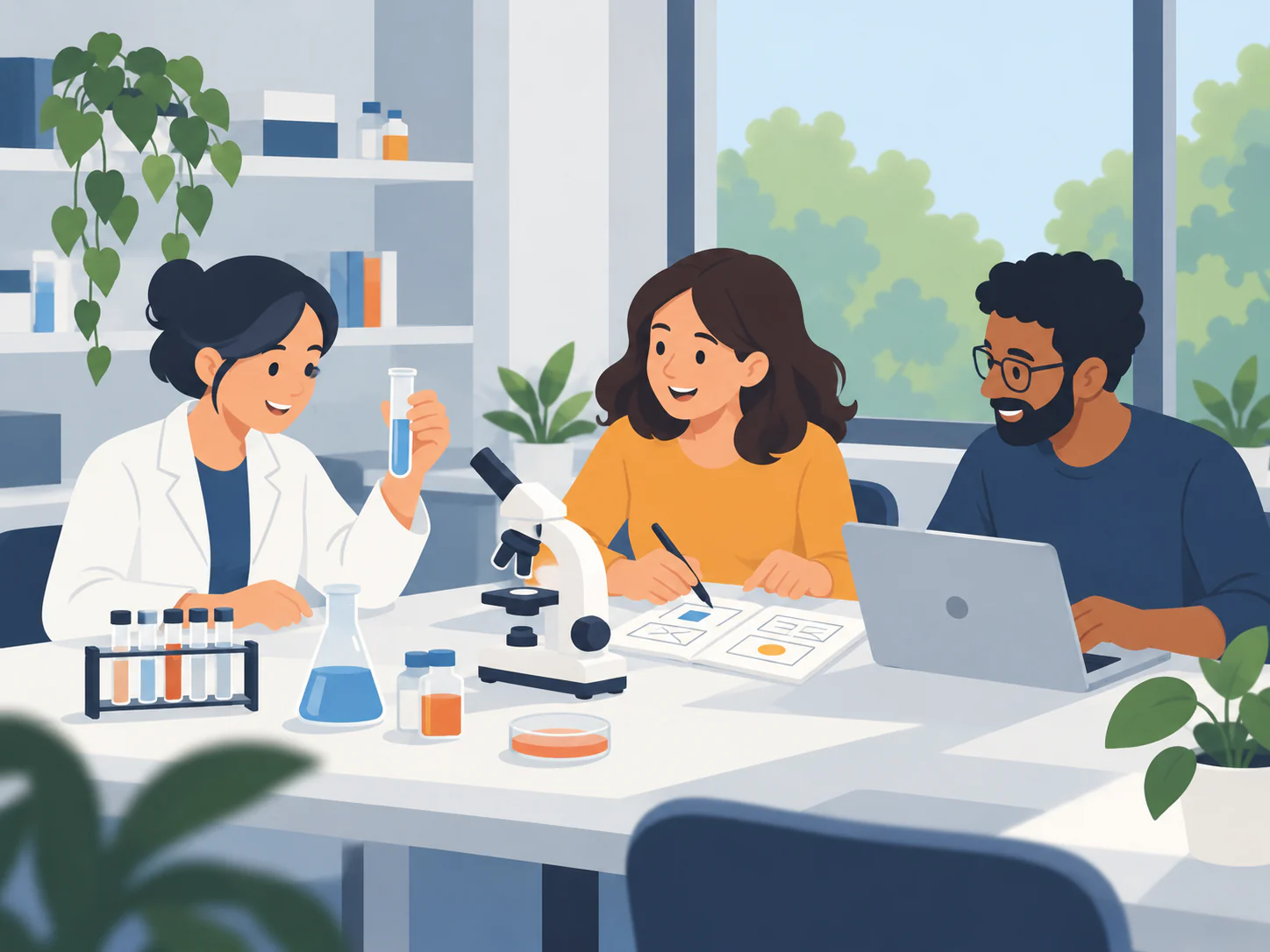
What started with one experiment has grown into a community of scientists, designers, developers working together to make science work better.
Next
Our goal is to create a well-funded lab for scientifically validated solutions to high-impact design problems across science.
Team
Our community is growing, and we are always looking for more people to get involved and contribute to our mission.
Psychologist, Designer
Creator of the #betterposter movement with a background in web development and psychology, and a passion for improving science communication.

Lead UX Architect
Freelance UX architect specializing in infographics and data visualization. He has worked across research, science, engineering, and IT, with experience spanning user research, information architecture, copywriting, graphic design, and business analysis.

Design Technologist
Engineer, designer, and researcher who builds simulation systems for academic research, production web apps for real clients, and tools used by researchers and developers. His work spans disciplines and rarely fits a single job title.

Product Designer
Designer with a background in Chemical Science and Technology, and a passion for open source and open standards. She brings design thinking to how science is done and shared, making tools and knowledge more accessible.
Full Stack & ML Engineer
Full stack developer and AI engineer working across 3D perception, computer vision, and edge computing, through to LLMs, retrieval-augmented generation, chatbots, and generative AI. Just as at home in embedded systems and firmware.

Interface & Product Designer
Designer of interfaces, services, and products, digital or physical. Weighs aesthetic trends, technical possibilities, and human factors together to find the combination that makes a product excellent.
Invitation
You don't need a background in both science and design to contribute. Bring what you know, learn what you don't, and find a way to make science work better.
Join and work on projects at ScienceUX to create real impact.
Have a project in mind that we can help with? Reach out to us.
Want to share your research on our journal? Reach out to us.